Professional Playground Inspections & Certified Playground Safety Inspector Services
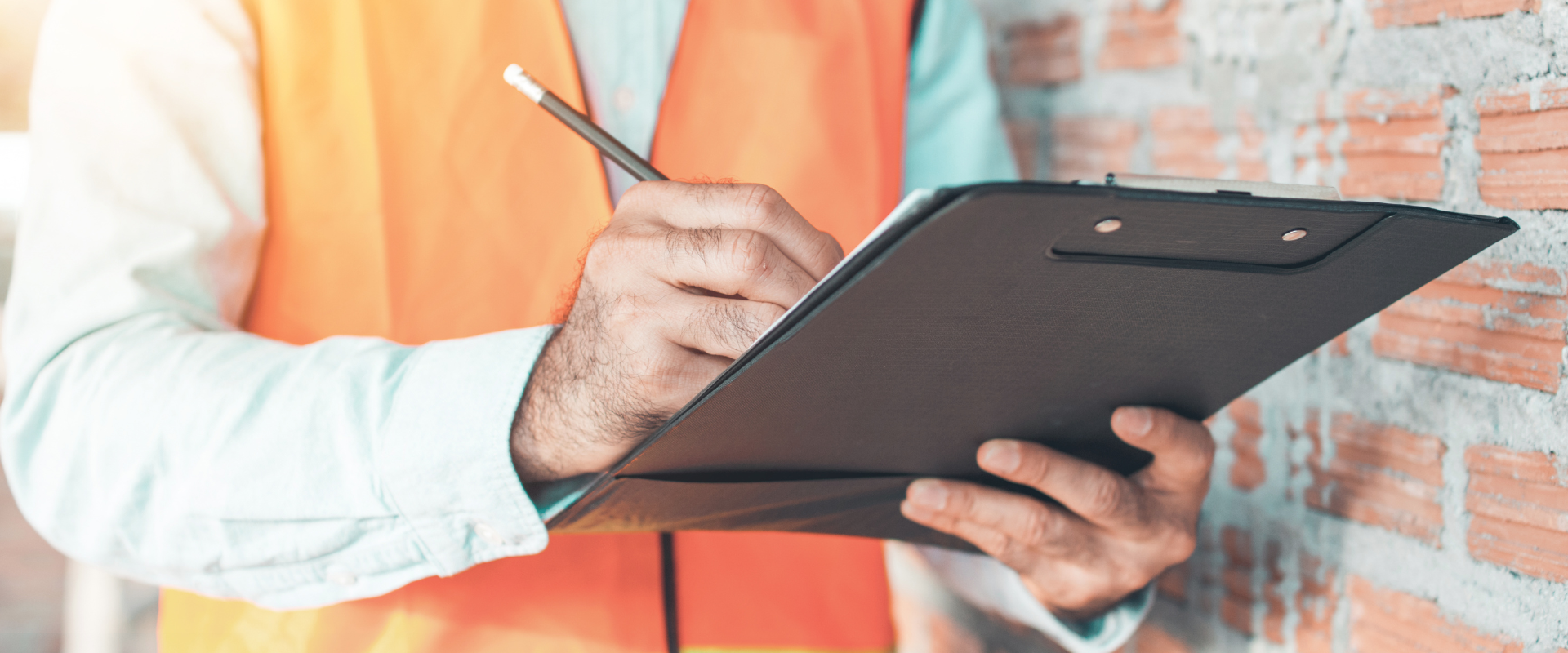
Professional playground inspections help schools, parks, daycare centers, municipalities, and other facilities identify safety hazards before they become serious problems. Our playground inspections evaluate equipment, protective surfacing, structural components, access points, and other areas that can affect the safety and usability of a play environment.
Our inspections are performed with safety and compliance in mind, helping property owners and facility managers understand potential risks and determine what repairs, maintenance, or corrective actions may be needed. When you need a qualified professional to evaluate your playground, a Certified Playground Safety Inspector can provide a detailed assessment and practical recommendations.
Why Are Playground Inspections Important?
Regular playground inspections help identify hazards, damaged equipment, worn surfacing, and other conditions that may create safety concerns. Routine inspections can also help facility owners stay proactive with maintenance and address potential problems before they become more costly or difficult to manage.
A professional playground inspection provides a structured review of the play area and helps owners understand which issues require immediate attention and which items should be monitored as part of ongoing maintenance.
Benefits of Regular Playground Inspections
- Identify potential playground safety hazards
- Find damaged or deteriorating equipment
- Evaluate protective surfacing and fall zones
- Support regular playground maintenance
- Help prioritize repairs and corrective actions
- Maintain safer play environments for children
- Create useful documentation for ongoing facility management
Regular inspections have a number of advantages:
Prevent accident by identifying hazards to safety before they happen
To prolong the service life of the playground equipment.
Minimize out-of-the-ordinary repair expenses.
Ensure adherence to industry regulations
Improve maintenance planning
Complete paperwork for the facility records
Support to provide children with safer environments
Regular inspections should be part of a complete playground maintenance strategy, alongside professional Playground Installation and ongoing equipment maintenance.
The following is a list of the types of inspections and their recommended frequencies.
The appropriate frequency of Playground Inspections depends on playground usage, equipment age, environmental conditions, and the facility’s maintenance program.
Common types of inspection are:
Routine visual checks can help identify obvious damage, vandalism, missing components, and other visible hazards.
Operational inspections evaluate moving parts, hardware, equipment stability, and other functional components.
A comprehensive annual inspection reviews the playground equipment, surfacing, site conditions, and other safety considerations against applicable playground safety standards.
Clubs and public parks, where there is high use, may require more frequent checks during the year.
Certified Playground Safety Inspector Services
A Certified Playground Safety Inspector can provide a professional evaluation of playground equipment, surfacing, layout, and potential safety concerns. A detailed inspection helps facility owners understand the condition of their playground and identify areas that may require repair, replacement, maintenance, or further evaluation.
Professional playground inspections can be especially valuable for schools, parks, daycare centers, municipalities, commercial properties, and other facilities responsible for maintaining safe play environments.
What Does a Certified Playground Safety Inspector Check?
- Playground equipment condition
- Structural components
- Hardware and connections
- Protective surfacing
- Fall zones and use zones
- Entrapment and entanglement hazards
- Sharp edges and protruding components
- Accessibility considerations
- General playground safety concerns
- Maintenance-related issues
Common Playground Safety Hazards Found During Playground Inspections
Regular Playground Inspections can identify hazards that may develop over time and remain unnoticed without professional assessment.
Common issues include:
Defective or missing components.
Worn swing chains and swing seats
Rust or corrosion
Cracked plastic components
Damaged safety surfacing
Loose footings
Rough edges or protruding fastenings
Inadequate fall protection
Tree roots that form trip hazards.
Addressing these issues early on can minimize downtime and contribute to a safer playing environment.
The Playground Inspection Process and Checklist
A professional playground inspection typically involves a systematic review of equipment, protective surfacing, structural components, hardware, fall zones, and other areas that may affect playground safety.
Common Playground Inspection Checklist Items
- Equipment stability
- Protective surfacing
- Hardware and connections
- Slides and climbers
- Swings and swing components
- Fall zones
- Accessibility features
- Site drainage
- Signs of wear and deterioration
- Sharp edges or protruding hardware
What Is Included in a Playground Inspection Report?
- Inspection date
- Playground/site information
- Equipment observations
- Safety concerns identified
- Surfacing observations
- Photos where applicable
- Recommended corrective actions
- Maintenance or repair recommendations
- Follow-up considerations
In the next phase, repairs, replacement and ongoing maintenance are scheduled.
If a playground is inspected and appropriate corrective measures are taken promptly, the playground will remain safe, and repair costs will be minimized in the future.
Recommended Next Steps After an Inspection
Replace or repair damaged parts as soon as possible
Replace worn out or missing components.
Ensure correct surfacing depth.
Schedule preventive maintenance
Maintain inspection/repair records.
Identify future equipment upgrade requirements, and schedule them accordingly.
If you hire a professional for a maintenance job, you’ll be able to be confident that the job will be done right and in accordance with the manufacturer’s guidelines.
Frequently Asked Questions
How often should a playground be inspected?
Inspection frequency depends on playground usage, environmental conditions, equipment age, and maintenance requirements. High-use playgrounds may require more frequent inspections.
Who should conduct playground inspections?
Playground inspections should be conducted by qualified professionals with appropriate playground safety inspection training and experience, particularly for comprehensive annual inspections.
Why are playground inspections important?
Playground inspections help identify potential hazards early, support safer play environments, assist with maintenance planning, and help extend the service life of playground equipment.
Ye teenon FAQs ek hi style aur format mein hain. Agar tum kisi existing website ke FAQs se exact match chahte ho, woh bhi same pattern mein kar sakta hoon.
What does a playground inspection include?
A professional inspection may review playground equipment, hardware, protective surfacing, fall zones, accessibility features, structural conditions, signage, and other site safety considerations.
What happens after a playground inspection?
The inspection findings can be documented in a report with recommended corrective actions. Facility managers can then prioritize repairs, replacement parts, maintenance, or other improvements.
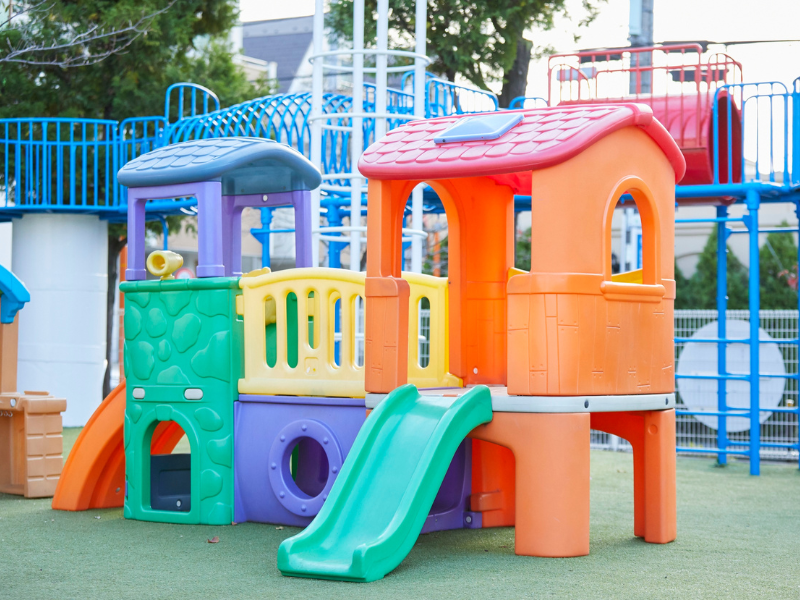
A school playground with a professional conducting the Playground Inspections.
The playground safety checklist is being utilized.
Workman filling in a questionnaire regarding the safety of a commercial playground.
Repair and maintenance of playgrounds.
Maintenance worker working on commercial playground equipment.
Schedule an Inspection
Looking to enhance playground safety? Get a quote for a contact inspection and/or a professional playground inspection today!
Explore all our services, contact options, and social media profiles of J C Walker & Olivier, LLC here: